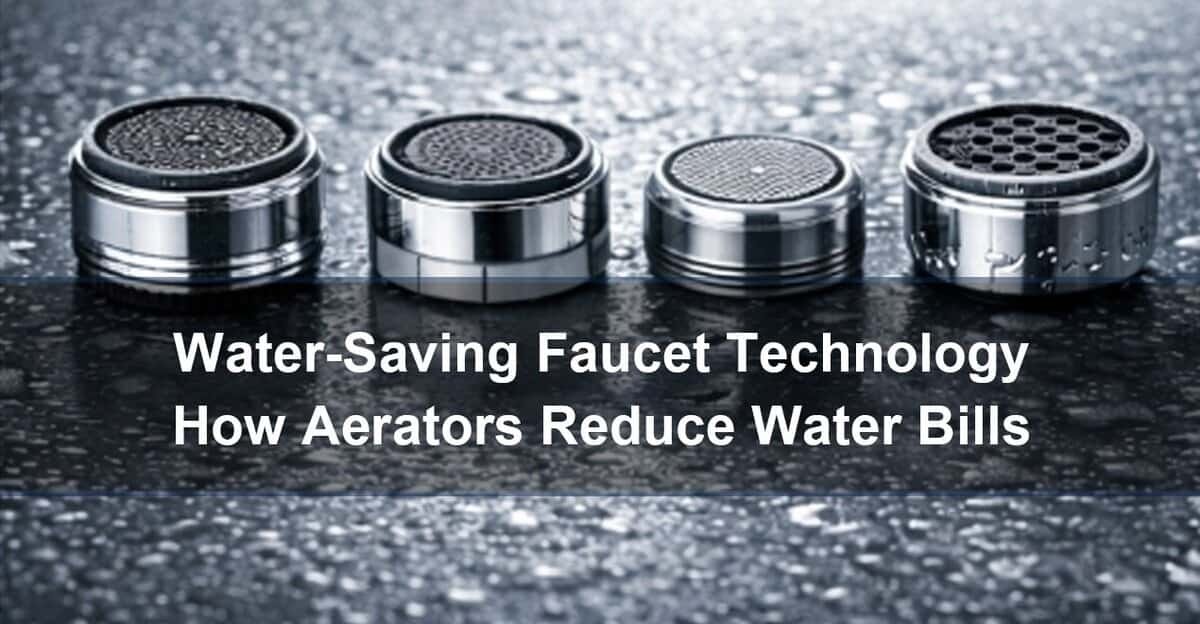

Water-Saving Faucet Technology: How Aerators Reduce Water Bills

Water-Saving Faucet Technology: How Aerators Reduce Water Bills

Meta Description:

Discover how water-saving faucet technology works and how faucet aerators reduce water bills. Learn about aerator types, flow rates, installation tips, and why wholesalers and importers are investing in water-efficient faucets in 2026.

Introduction: Why Water-Saving Faucet Technology Matters in 2026

With rising utility costs and stricter environmental regulations across markets like the United States, Canada, and parts of European Union, water-saving faucet technology is no longer optional—it’s essential.

Homeowners want lower water bills. Commercial facilities want reduced operational expenses. Importers and wholesalers want products that meet certification standards and move faster in retail channels.

At the center of this innovation is one small but powerful component: the faucet aerator.

This article explains how aerators reduce water bills, how they work, and why they are one of the most profitable features in modern faucet design.

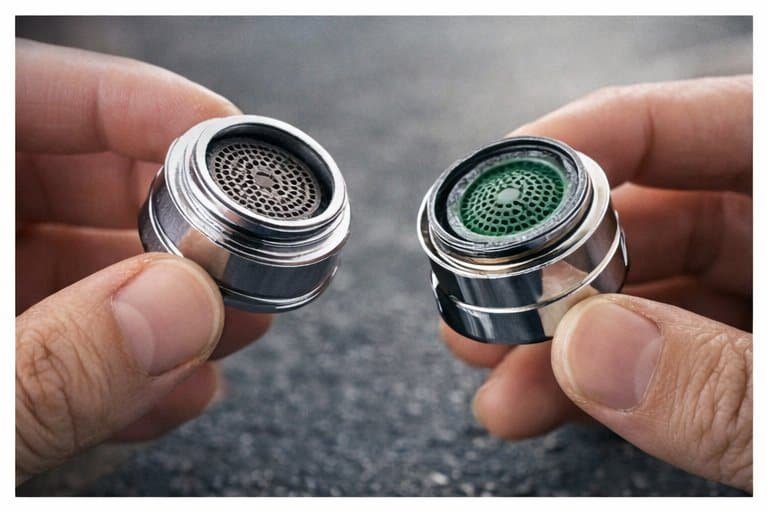
What Is a Faucet Aerator?

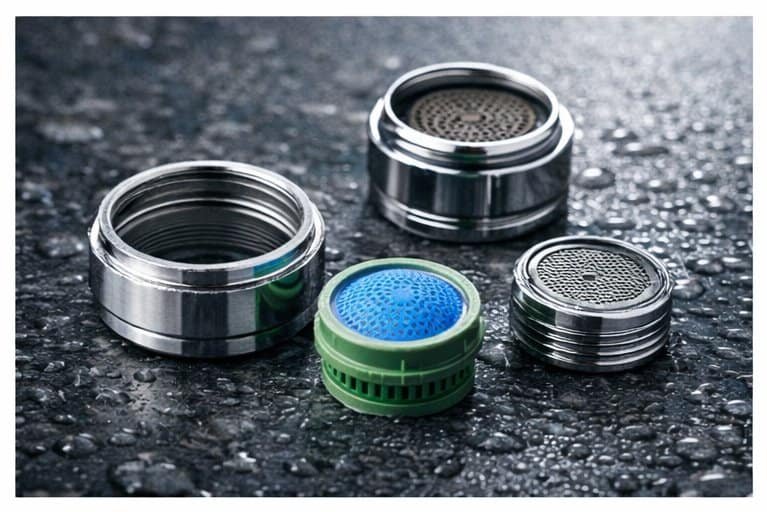
A faucet aerator is a small device installed at the tip of a faucet spout. It mixes air with water to:

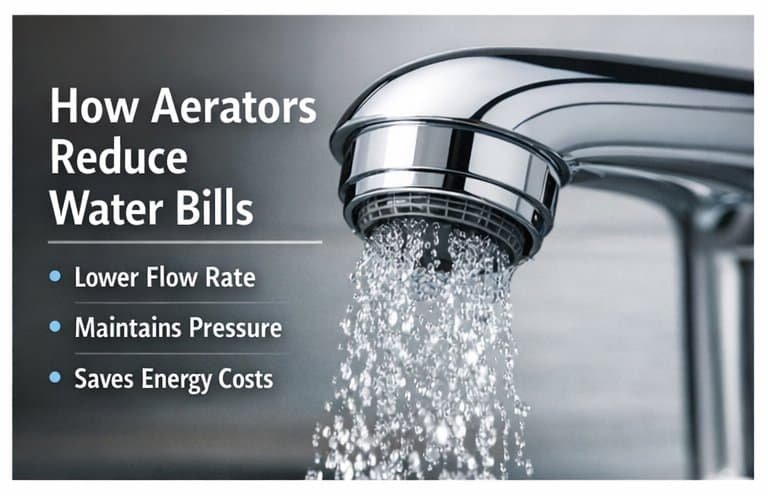
  • Reduce water flow rate

  • Maintain strong water pressure

  • Minimize splashing

  • Improve user comfort

Though small in size, it plays a major role in water-saving faucet technology.

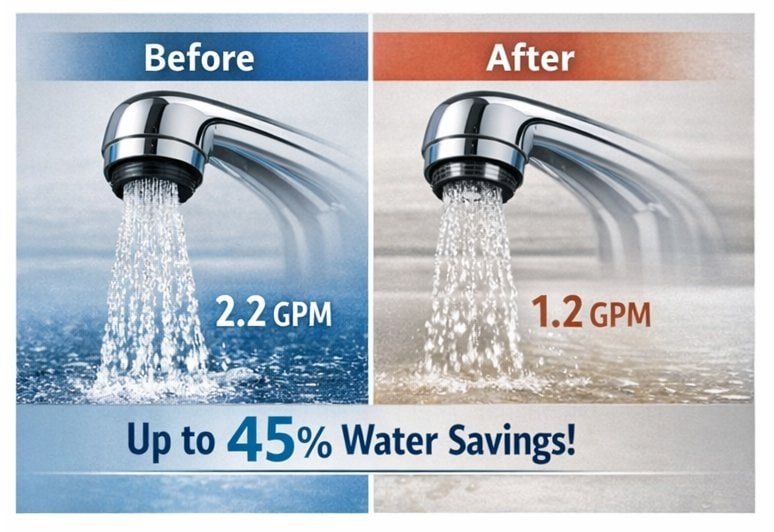
Without an aerator, a standard faucet may discharge 2.2 gallons per minute (GPM) or more. With a modern low-flow aerator, this can be reduced to:

  • 1.5 GPM

  • 1.2 GPM

  • 1.0 GPM

  • Even 0.5 GPM for commercial applications

That reduction directly impacts monthly water bills.

How Aerators Reduce Water Bills

1. Lower Flow Rate = Less Water Consumption

The basic formula is simple:

Water Used = Flow Rate × Time

If a household reduces flow from 2.2 GPM to 1.2 GPM:

  • That’s nearly 45% water savings

  • Less hot water usage

  • Reduced energy cost for water heating

For commercial kitchens or hotels, the savings scale dramatically.

2. Air Infusion Maintains Pressure

One common misconception is that low-flow faucets mean weak pressure.

Modern aerators use air infusion technology:

  • Water is broken into tiny droplets

  • Air is mixed into the stream

  • Pressure feels strong

  • Actual water volume decreases

This is why water-saving faucet technology has become widely accepted in both residential and commercial markets.

3. Reduced Hot Water Energy Cost

When hot water usage drops:

  • Boilers work less

  • Water heaters consume less electricity or gas

  • Maintenance frequency decreases

In commercial facilities such as restaurants, energy savings often exceed direct water savings.

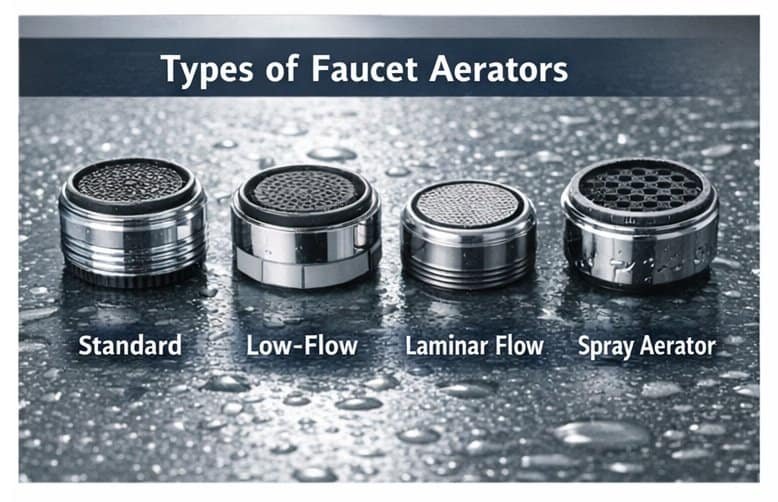
Types of Faucet Aerators

Understanding aerator types is important for wholesalers and OEM buyers.

1. Standard Aerators

  • Most common

  • Balanced flow and comfort

  • Ideal for residential kitchen faucets

2. Low-Flow Aerators

  • 1.0–1.5 GPM

  • Designed for water conservation

  • Popular in regions with water regulations

3. Laminar Flow Aerators

  • Produce clear, non-aerated stream

  • Used in healthcare and commercial settings

  • Reduce airborne contamination risk

4. Spray Pattern Aerators

  • Used in pull-down kitchen faucets

  • Combine spray + aerated flow modes

  • Improve cleaning efficiency

For B2B faucet suppliers, offering multiple aerator options increases competitiveness in global tenders.

Water-Saving Standards and Certifications

In major markets, compliance drives purchasing decisions.

United States

Programs aligned with water conservation guidelines encourage low-flow designs in many states across the United States.

Europe

Eco-design standards across the European Union push manufacturers toward improved efficiency.

Australia & Canada

Water efficiency labeling schemes influence consumer buying behavior.

For OEM faucet manufacturers, designing aerator-compatible models ensures easier certification approvals and faster market entry.

Residential vs Commercial Savings Comparison

Residential Example

Average family of 4:

  • 8–10 minutes faucet usage per day

  • Switching to 1.2 GPM saves thousands of gallons annually

  • Potential annual savings: 20–30% on water bills

Commercial Kitchen Example

Restaurant:

  • 3–5 hours faucet usage daily

  • High-temperature water

  • Savings multiply due to hot water reduction

In commercial settings, ROI on water-saving faucets often occurs within months.

Why Aerators Matter for Faucet Wholesalers & Importers

If you are a B2B faucet supplier or importer, aerators provide:

1. Higher Market Demand

Water-saving products rank better on e-commerce platforms and government tenders.

2. Stronger Marketing Angle

“Water-efficient kitchen faucet” performs better in SEO than generic faucet listings.

3. Competitive Differentiation

Offering customizable flow rates (OEM/ODM) attracts international distributors.

4. Lower Return Rates

Properly engineered aerators reduce splashing complaints and pressure issues.

Common Misconceptions About Water-Saving Faucets

Myth 1: Low Flow Means Weak Performance

Modern aerators maintain perceived pressure.

Myth 2: They Clog Easily

High-quality aerators use:

  • Anti-limescale silicone nozzles

  • Stainless steel mesh

  • Removable cleaning cores

Myth 3: Installation Is Complicated

Most aerators:

  • Screw on/off manually

  • Require no tools

  • Fit standard thread sizes

How to Choose the Right Water-Saving Faucet

When sourcing from a faucet manufacturer, consider:

Flow Rate Options

  • 1.5 GPM (balanced performance)

  • 1.2 GPM (water-saving standard)

  • 1.0 GPM (maximum conservation)

Material

  • Brass housing

  • Stainless steel mesh

  • Anti-corrosion coating

Thread Compatibility

  • Male or female threads

  • Standard vs metric sizing

Replaceable Cartridge System

Ensures long-term serviceability.

Future Trends in Water-Saving Faucet Technology

Water-saving faucet technology is evolving beyond traditional aerators.

Emerging innovations include:

  • Smart sensor faucets

  • Digital flow monitoring

  • Adjustable aeration levels

  • Integrated filtration + aeration systems

Smart cities and green building certifications are driving large-scale adoption in hospitality and commercial real estate sectors.

SEO Benefits of Water-Efficient Faucets for Online Sellers

For e-commerce and Google ranking:

Including keywords like:

  • Low flow faucet

  • Water-efficient kitchen faucet

  • Reduce water bills

  • Eco-friendly faucet technology

Improves search visibility in competitive markets.

Search trends show steady growth in eco-conscious home improvement categories.

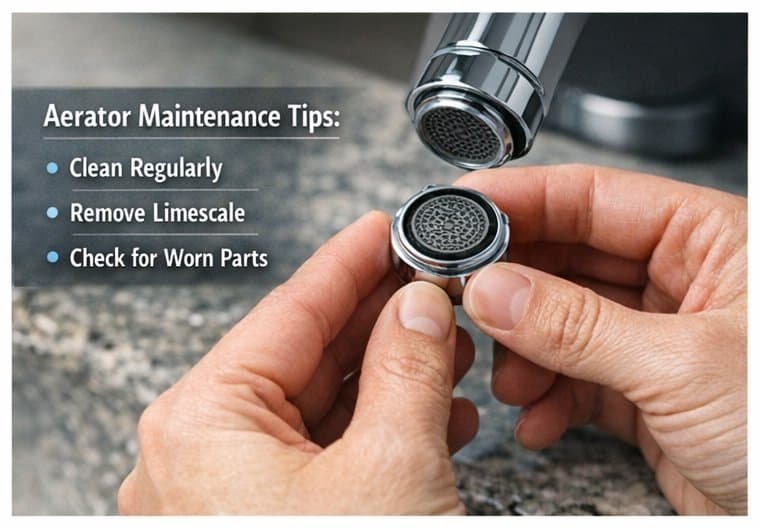
Installation and Maintenance Tips

To maximize performance:

  1. Clean aerator every 3–6 months

  2. Soak in vinegar to remove limescale

  3. Replace worn-out mesh filters

  4. Check O-ring seals

Proper maintenance ensures consistent water-saving performance and extends faucet lifespan.

Conclusion: Small Component, Big Savings

Water-saving faucet technology proves that innovation doesn’t have to be complex to be powerful.

A small aerator:

  • Reduces water flow

  • Maintains strong pressure

  • Lowers water and energy bills

  • Supports environmental sustainability

  • Increases product competitiveness in global markets

For homeowners, it means lower utility bills.
For commercial operators, it means faster ROI.
For wholesalers and OEM faucet manufacturers, it means stronger demand and better margins.

In 2026 and beyond, water-efficient faucet solutions will continue to shape the plumbing industry — and aerators will remain at the core of that transformation.

Leave a Reply

Your email address will not be published.

2 + 20 =

On Key

Latest Posts

Get about our free contact for more information, FaucetU goal is to let you sit back and relax.

Ask For A Quick Quote