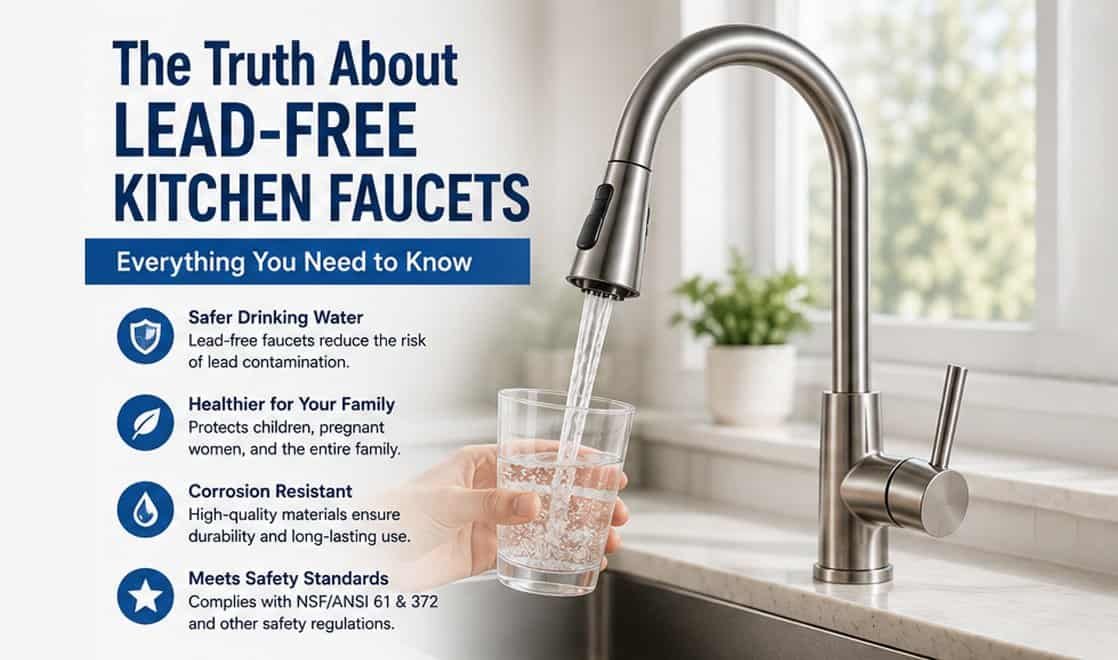
The Truth About Lead-Free Kitchen Faucets: Everything You Need to Know

Home > Blogs

The Truth About Lead-Free Kitchen Faucets: Everything You Need to Know

Meta Description

Learn everything about lead-free kitchen faucets, including safety standards, materials, certifications, health benefits, and how to choose the best lead-free kitchen faucet for your home in 2026.

Clean and safe drinking water starts with more than just a filtration system—it also depends on the quality of your kitchen faucet. In recent years, lead-free kitchen faucets have become one of the fastest-growing categories in the plumbing industry as homeowners become more aware of water safety and health.

    Add a header to begin generating the table of contents

    Whether you’re remodeling your kitchen, replacing an old faucet, or purchasing fixtures for a new home, choosing a lead-free kitchen faucet is one of the smartest investments you can make. Modern lead-free faucets are designed to reduce the risk of lead contamination while providing exceptional durability, corrosion resistance, and long-lasting performance.

    In this comprehensive guide, we’ll explain what lead-free faucets are, why they matter, how they’re regulated, the best materials available, and how to choose the right faucet for your kitchen.

    What Is a Lead-Free Kitchen Faucet?

    A lead-free kitchen faucet is a faucet manufactured with materials that contain only a very small amount of lead, meeting strict legal safety standards for drinking water.

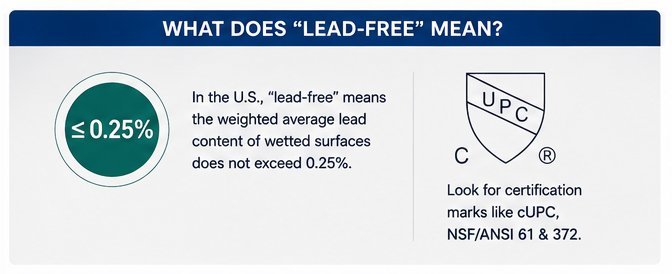
    In many countries, including the United States, “lead-free” does not mean absolutely zero lead. Instead, it means the weighted average lead content of wetted surfaces does not exceed 0.25%, in accordance with U.S. federal regulations.

    Modern lead-free faucets are commonly made from:

    • 304 stainless steel
    • 316 stainless steel
    • Lead-free brass
    • Food-grade polymers (for selected internal components)

    Why Is Lead in Drinking Water a Concern?

    Lead is a toxic metal that can enter drinking water through aging plumbing systems, old pipes, solder joints, or outdated faucets manufactured before modern regulations.

    Unlike chlorine or minerals, lead cannot be detected by taste, smell, or appearance.

    Long-term exposure to lead may increase health risks, especially for:

    • Infants
    • Young children
    • Pregnant women
    • Older adults

    For this reason, governments around the world have introduced strict regulations to limit lead content in plumbing products.

    What Does "Lead-Free" Really Mean?

    One of the biggest misconceptions is that “lead-free” means a faucet contains no lead at all.

    In reality, regulations define lead-free based on maximum allowable lead content.

    United States Standard

    Under the Reduction of Lead in Drinking Water Act, plumbing products that contact drinking water must have a weighted average lead content of no more than 0.25%.

    Other International Standards

    Many countries follow similar requirements through national regulations and certification programs, ensuring products intended for drinking water meet strict safety criteria.

    Why Homeowners Prefer Lead-Free Kitchen Faucets?

    Growing awareness of water quality has made lead-free faucets one of the most popular choices for modern kitchens.

    Major benefits include:

    • Safer drinking water
    • Reduced risk of metal contamination
    • Better corrosion resistance
    • Longer service life
    • Improved resale value

    1. Better Drinking Water Quality

    The primary reason for choosing a lead-free faucet is improved water safety.

    A quality lead-free faucet helps minimize the possibility of lead entering drinking water through the fixture itself.

    This is particularly important for families who:

    • Drink tap water regularly
    • Cook with tap water
    • Prepare baby formula
    • Wash fruits and vegetables

    2. Improved Corrosion Resistance

    Modern lead-free faucets are commonly made from corrosion-resistant materials.

    Popular options include:

    SUS304 Stainless Steel

    Benefits:

    • Rust resistant
    • Corrosion resistant
    • Easy to clean
    • Hygienic
    • Durable
    Lead-Free Brass

    Advantages:

    • Excellent durability
    • Traditional premium material
    • High pressure resistance

    3. Longer Lifespan

    A premium lead-free faucet can provide reliable performance for many years.

    Quality models typically feature:

    • Ceramic disc cartridges
    • Stainless steel waterways
    • Precision machining
    • Durable finishes

    Many homeowners enjoy 15–20 years of service with proper maintenance.

    4. Safer for Families

    Families with young children often prioritize water quality.

    Choosing a lead-free faucet helps provide additional peace of mind when:

    • Filling water bottles
    • Cooking meals
    • Preparing infant formula
    • Washing produce

    Common Materials Used in Lead-Free Kitchen Faucets

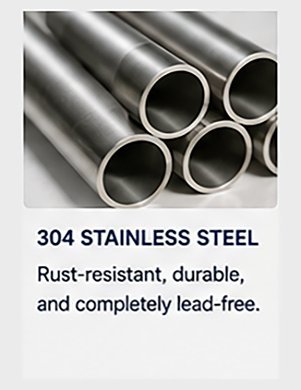
    304 Stainless Steel

    The most recommended material for modern kitchen faucets.

    Advantages include:

    • Food-safe
    • Rust resistant
    • Lead-free
    • Hygienic surface
    • Easy maintenance

    316 Stainless Steel

    Offers even greater corrosion resistance, making it suitable for coastal environments and commercial kitchens.

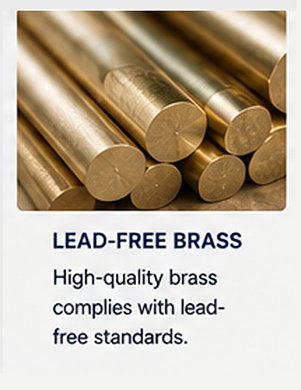
    Lead-Free Brass

    Many premium brass faucets use advanced alloys that comply with lead-free standards.

    Benefits include:

    • Strong construction
    • Excellent durability
    • Long lifespan

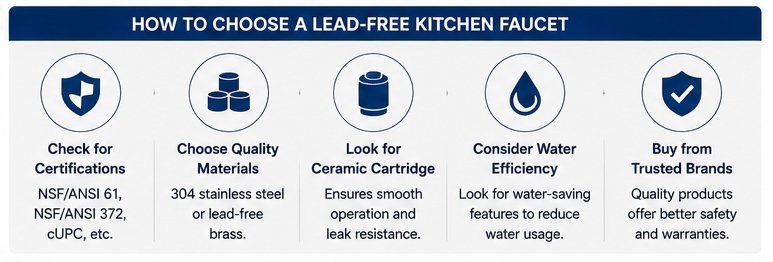
    Certifications to Look For

    Choosing a certified faucet provides additional confidence in product quality.

    Look for certifications such as:

    • NSF/ANSI 61 (drinking water system components)
    • NSF/ANSI 372 (lead content compliance)
    • cUPC
    • WaterSense (for water efficiency, where applicable)

    These certifications indicate that the product has been tested against recognized industry standards.

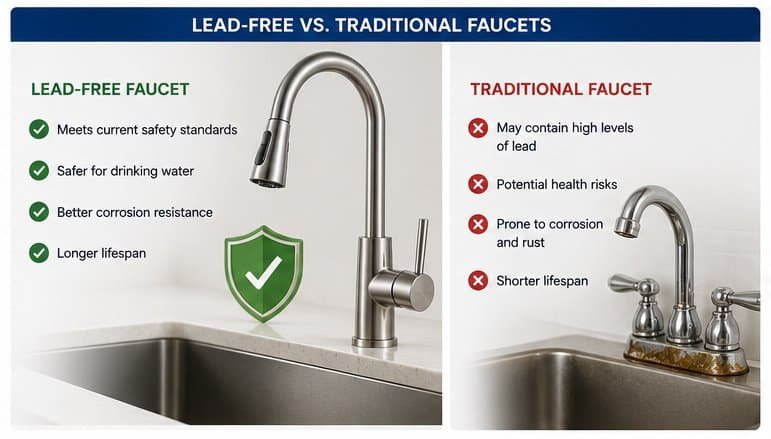
    Lead-Free vs Traditional Faucets

    FeatureLead-Free FaucetOlder Traditional Faucet
    Drinking Water SafetyExcellentVaries
    Corrosion ResistanceHighModerate
    Modern StandardsMeets current regulationsMay not
    DurabilityExcellentDepends on material
    MaintenanceEasyModerate

    Features to Look for in a Lead-Free Kitchen Faucet

    Ceramic Disc Cartridge

    Provides:

    • Smooth operation
    • Leak resistance
    • Long service life

    Pull-Down Sprayer

    Ideal for:

    • Cleaning dishes
    • Washing vegetables
    • Filling large pots

    Water-Saving Aerator

    Helps reduce water usage without sacrificing performance.

    Spot-Resistant Finish

    Popular finishes include:

    • Brushed stainless steel
    • Brushed nickel
    • Matte black

    These finishes help reduce fingerprints and water spots.

    How to Identify a Quality Lead-Free Faucet?

    Before purchasing, check for:

    ✔ Material specification (304 stainless steel or certified lead-free brass)

    ✔ Recognized product certifications

    ✔ Ceramic cartridge

    ✔ Corrosion-resistant finish

    ✔ Manufacturer warranty

    ✔ Positive customer reviews

    Common Myths About Lead-Free Faucets

    Myth 1: Lead-Free Means Zero Lead

    Not necessarily. The term refers to compliance with legal limits for lead content in wetted surfaces.

    Myth 2: Stainless Steel Faucets Always Cost More

    While some premium models have higher prices, stainless steel faucets often offer better long-term value due to their durability and low maintenance.

    Myth 3: All Brass Faucets Contain High Levels of Lead

    Modern lead-free brass alloys are designed to meet current safety regulations.

    Myth 4: Water Filters Make Lead-Free Faucets Unnecessary

    Water filters and lead-free faucets serve different purposes.

    A filtration system helps reduce contaminants in water, while a lead-free faucet minimizes the possibility of lead entering the water from the fixture itself.

    Many homeowners use both together for optimal water quality.

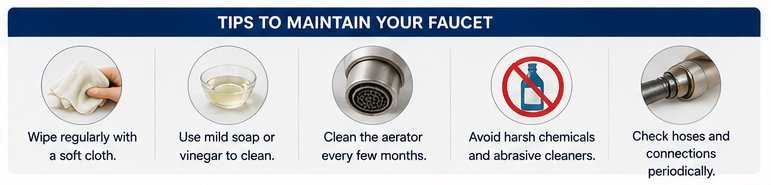
    Maintenance Tips

    To keep your faucet performing at its best:

    • Wipe the surface with a soft microfiber cloth after use.
    • Remove mineral deposits using diluted white vinegar.
    • Clean the aerator every few months.
    • Avoid abrasive cleaners or steel wool.
    • Inspect hoses and connections annually.

    Regular maintenance helps extend the faucet’s lifespan and preserve its appearance.

    Frequently Asked Questions

    Yes. They offer improved drinking water safety, excellent durability, and compliance with modern plumbing standards.

    Both materials are excellent. High-quality 304 stainless steel is especially popular because it is corrosion-resistant, hygienic, and naturally lead-free.

    A lead-free faucet helps reduce the risk of lead contamination from the faucet itself. Overall water quality also depends on your plumbing system and water source.

    With proper maintenance, many premium lead-free faucets last 15–20 years or longer.

    If your local water supply has concerns about taste, odor, or contaminants, combining a certified water filtration system with a lead-free faucet can provide an additional layer of protection.

    Final Thoughts

    Choosing a lead-free kitchen faucet is about more than following current standards—it’s about investing in safer drinking water, reliable performance, and long-term peace of mind.

    Whether you select a 304 stainless steel faucet or a certified lead-free brass faucet, look for high-quality materials, trusted certifications, and durable components such as ceramic disc cartridges.

    For most modern kitchens, a 304 stainless steel lead-free kitchen faucet provides the best combination of safety, durability, corrosion resistance, and contemporary design. Combined with proper maintenance and, if desired, a quality water filtration system, it can deliver dependable performance for many years.

    Leave a Reply

    Your email address will not be published. Required fields are marked *

    three × four =

    On Key

    Latest Posts

    Get about our free contact for more information, FaucetU goal is to let you sit back and relax.

    Ask For A Quick Quote